
Salt & St. Johns · Eat & Drink
Datil peppers: St. Augustine's heirloom heat, and a Bloody Mary for the morning after
The Hip Historic team · November 26, 2026 · 5 min read
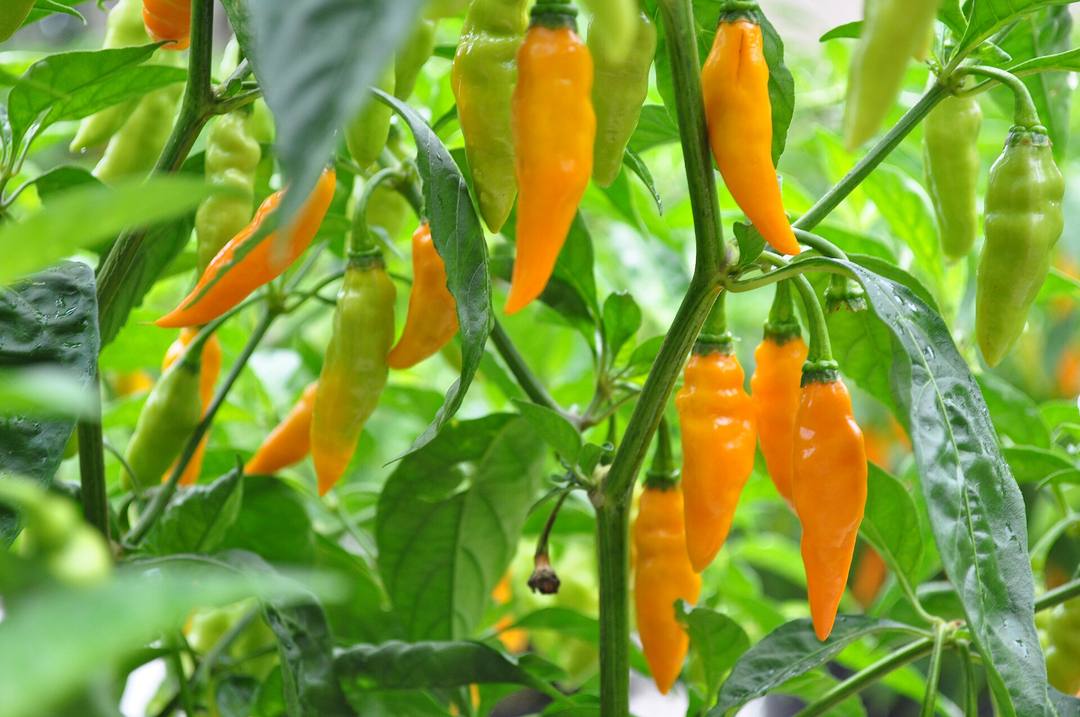
If you spend a little time in St. Augustine kitchens, you'll notice a small yellow-orange pepper turning up in everything from hot sauce to jelly to mustard. That's the datil, and it's about as local as an ingredient gets in Northeast Florida. With Thanksgiving here, it's our favorite way to give the week's food a little Florida accent.
A small pepper with a long story
The datil is a *Capsicum sinense*, the same species as the habanero, and UF/IFAS Extension puts it in the same heat range: roughly 100,000 to 300,000 Scoville units. For scale, a jalapeño sits around 2,000 to 8,000. What makes the datil worth the trouble is that the heat comes with fruit. Extension writers describe it as fruity and mighty, sweet and spicy at once, and that's exactly how it tastes in a good sauce.
Nobody knows for certain how it got here. The story you'll hear most often ties it to St. Augustine's Minorcans. In 1768 a colony at New Smyrna, about 70 miles south, brought in more than 1,400 people from the Mediterranean island of Menorca and elsewhere to work an indigo plantation. Conditions were brutal. In 1777 the survivors, around 600 people of Minorcan, Spanish, Greek and Italian roots, walked north to St. Augustine and were granted refuge. The Florida Museum notes they grew the town's population by more than half and settled in its northern blocks as fishermen, farmers and craftspeople. The National Park Service estimates more than 10,000 of their descendants still live in the St. Augustine and St. Johns County area.
Local legend says those families brought the datil with them. Another theory points to the slave trade, because the datil closely resembles the Fatalii pepper of Central and Southern Africa. Either way, it's been grown in St. Augustine backyards for generations, and in 2013 St. Johns County named it the county's official plant, with the first Saturday in October set aside as Datil Pepper Day.
Where it shows up
Datils go into hot sauces, jellies, relishes, barbecue sauces and mustards, and you'll find bottles from small makers at farmers markets, restaurants and shops around St. Augustine and across the region. One bottle in the fridge door and you'll start reaching for it more than you expect.
Do we keep a bottle at home? Honestly, no. Datils are too hot for us. We like a bit of heat, just not that much. If you're the same, go easy and start with a few drops.
A word from Extension worth repeating: if you're handling fresh datils, the capsaicin will irritate your eyes. Wear gloves, or wash your hands well, and don't touch your face until you have.
Two things we're making this week
Datil Bloody Mary, for the morning after. Thanksgiving Friday deserves a slow start on the porch. For one:
- 2 oz vodka
- 4 oz tomato juice
- ½ oz fresh lemon juice
- 2 dashes Worcestershire
- A pinch each of celery salt and black pepper
- Datil sauce, starting with 3 or 4 drops
Roll it between two glasses or give it a gentle shake, pour over ice, and taste before adding more datil. It builds. Garnish with a celery stalk and a lemon wedge, or a cold boiled shrimp if there's one left from the night before. For a zero-proof version, skip the vodka and add a splash of pickle brine.
Datil honey butter, for the rolls. Whip one stick of softened salted butter with 2 tablespoons of honey and ¼ teaspoon of datil sauce. Taste, then go to ½ teaspoon if your table likes heat. It's just as good on cornbread, roasted sweet potatoes or a leftover turkey sandwich. If you have fresh datils, a pinch finely minced (gloves on) does the same job.
If you want to grow your own
Datils are a patient plant. UF/IFAS suggests starting seeds indoors in late winter, since they germinate best in warm soil, and transplanting once frost danger has passed. The plants want full sun or light afternoon shade and about five months of frost-free weather to mature. A second sowing in midsummer can bring an early fall crop. The fruit moves from olive green to lime green before it ripens, and the flavor peaks once it turns bright yellow or glowing orange. Pick often and the plant keeps producing.
Recipes like these are the heart of The Galley, the food and drink page in our monthly issue, which starts with Issue No. 1 in January and goes to subscribers. Subscribe if you'd like the next one in your inbox, or follow @saltandstjohns for the week's small Florida pleasures.
Questions
How hot is a datil pepper?
Very. UF/IFAS Extension places datils at roughly 100,000 to 300,000 Scoville units, the same range as a habanero, compared with about 2,000 to 8,000 for a jalapeño. The difference is flavor: datils are fruity and a little sweet behind the heat. Start with a few drops of sauce and build up, because the heat tends to grow as you go.
Where does the datil pepper come from?
Nobody knows for sure. Local legend credits the Minorcan families who came to St. Augustine in 1777 after fleeing the New Smyrna colony. Another theory links it to the slave trade, since the datil closely resembles Africa's Fatalii pepper. What's certain is that it has been grown around St. Augustine for generations, and it's now St. Johns County's official plant.
Can I grow datil peppers at home?
Yes, with patience. Start seeds indoors in late winter, transplant after frost danger passes, and give the plants full sun or light afternoon shade. They need about five months of frost-free weather to mature, according to UF/IFAS. Harvest when the fruit turns bright yellow or orange, pick often to keep it producing, and wear gloves when handling the peppers.
Where can I find datil products?
Look for datil hot sauces, jellies, mustards and barbecue sauces at farmers markets, restaurants and local shops around St. Augustine and across Northeast Florida. UF/IFAS Extension notes datils are turning up in more and more sauces and recipes. Small local makers produce many of them, so a bottle is a good way to bring a taste of the First Coast home.